
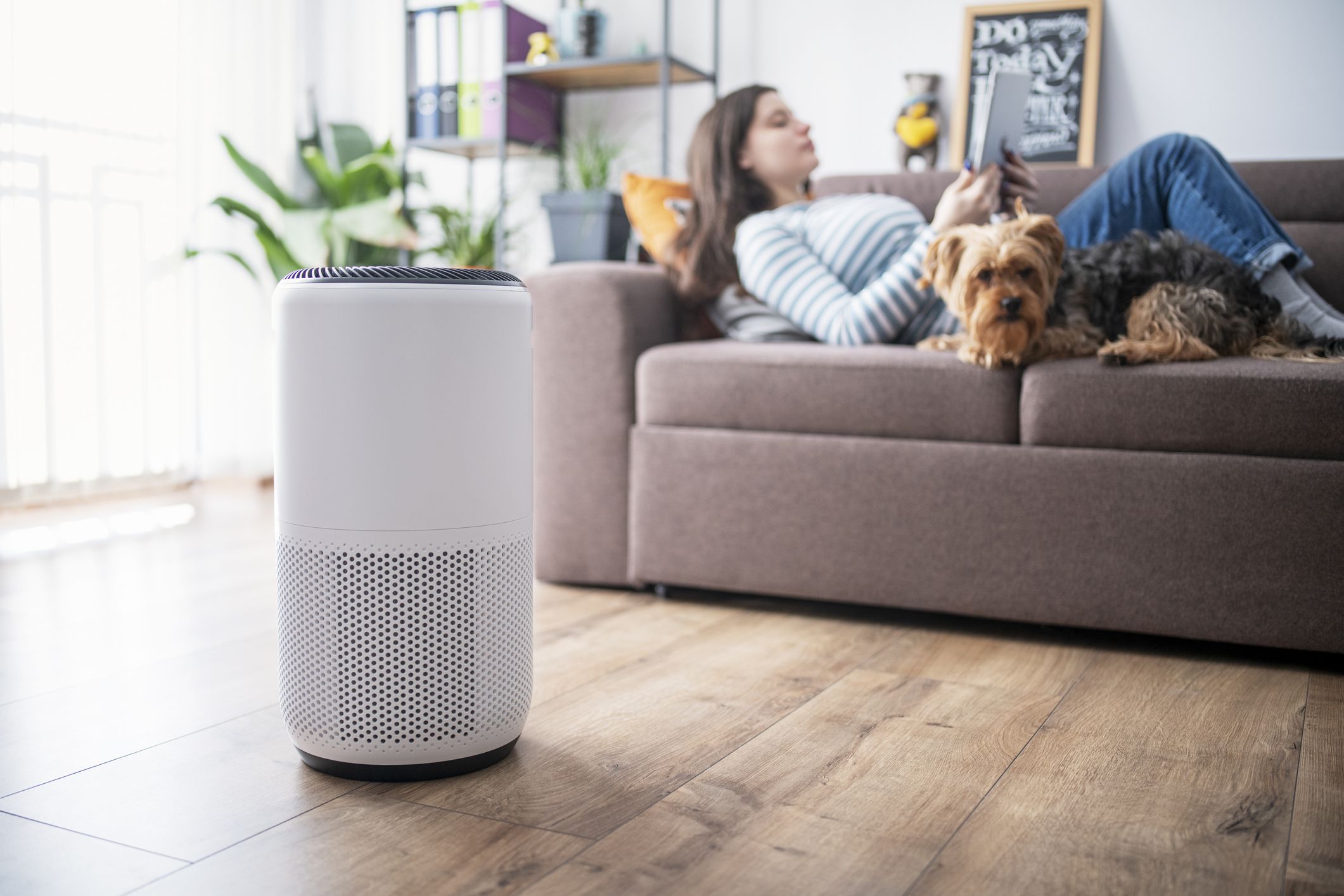
In today’s urban landscape, the significance of clean indoor air cannot be overstated. With rising pollution levels, particularly in regions like India, a home air purifier emerges as a vital tool for anyone seeking to improve indoor air quality. These innovative devices effectively filter out harmful particulates, allergens, and pollutants, creating a healthier and more enjoyable living environment. Research indicates that improving indoor air quality can lead to a significant reduction in respiratory issues such as allergies and asthma. Investing in the best air purifier for home is not just a choice; it’s an essential step towards safeguarding your family’s health and well-being.
Key Takeaways
- A home air purifier is essential for reducing indoor air pollutants.
- Improving indoor air quality can lead to better health outcomes.
- Devices can alleviate allergies and asthma symptoms.
- Choosing the right model significantly impacts effectiveness.
- Investing in air purification is critical in polluted urban areas.
Understanding Indoor Air Quality
Indoor air quality (IAQ) pertains to the condition and cleanliness of air within buildings and its impact on the health and comfort of the occupants. Unlike outdoor air, which is subject to various natural and environmental controls, indoor air is often affected by accumulated pollutants. Understanding IAQ is crucial for mitigating health risks and improving living conditions in homes.
What is Indoor Air Quality?
Indoor air quality is defined by the concentration of various pollutants in the air within enclosed spaces. Factors like ventilation, humidity, temperature, and the presence of common indoor air pollutants can significantly influence IAQ. Pollutants such as dust, pet dander, mold spores, and volatile organic compounds (VOCs) from household products contribute to decreased air quality. Maintaining high IAQ involves ensuring proper ventilation and reducing pollution sources to foster a healthier environment.
Common Indoor Air Pollutants
Being aware of common indoor air pollutants is vital for anyone looking to improve their home’s air quality. These pollutants can arise from various everyday items and activities. Below is a table summarizing typical indoor air pollutants and their sources:
| Pollutant | Source | Health Effects |
| Dust Mites | Mattresses, carpets, and upholstered furniture | Allergies and asthma |
| Pet Dander | Animals such as cats and dogs | Allergic reactions and respiratory issues |
| Mold Spores | Wet or damp areas in buildings | Respiratory problems and allergic reactions |
| Volatile Organic Compounds (VOCs) | Paints, cleaners, and air fresheners | Headaches, dizziness, and respiratory issues |
| Carbon Monoxide | Gas appliances, fireplaces | Headaches, dizziness, and even death |
Recognizing these common indoor air pollutants is essential for addressing them effectively. Implementing strategies to minimize their presence not only enhances indoor air quality but also promotes better overall health for you and your family.
The Importance of Clean Indoor Air
Ensuring clean indoor air is crucial for maintaining a healthy living environment. Poor air quality has significant health impacts, leading to various ailments that can affect anyone, particularly vulnerable populations such as children and the elderly. Understanding these impacts sheds light on the importance of maintaining fresh air in your home.
Health Impacts of Poor Air Quality
Studies indicate that the health impacts of poor air quality can include allergic reactions, respiratory diseases, and long-term complications. Common indoor pollutants such as dust mites, mold, and pet dander contribute to these health issues. Individuals exposed to these toxins can experience symptoms like headaches, fatigue, and throat irritation. The long-term consequences can lead to chronic conditions, making it vital to address indoor air quality issues.
Benefits of Fresh Air in Your Home
Fresh air provides numerous advantages that enhance overall well-being. Improved emotional health is one of the most notable benefits of fresh air, promoting positive feelings and reducing stress levels. Additionally, fresh air can boost productivity, enabling individuals to focus better in their tasks. Regular ventilation and air purification lead to improved air quality, which supports better sleep patterns and enhances energy levels during the day.
What is a Home Air Purifier?
A home air purifier is a device designed to enhance indoor air quality by removing pollutants, allergens, and other airborne particles. Understanding what a home air purifier does is essential for those seeking a healthier living environment. These purifiers typically utilize various technologies, such as filtration, ionization, or ultraviolet (UV) light, to effectively clean the air within a home.
How It Works
The operation of a home air purifier depends on its specific type. Most models employ a filtration system where air is drawn through filters that trap dust, pollen, pet dander, and even smoke particles. Ionizers, on the other hand, release negatively charged ions that attach to pollutants, causing them to clump together and fall to the ground. UV light purifiers target harmful microorganisms, helping to eliminate bacteria and viruses from the air. Understanding these mechanisms can aid in determining the most suitable model for individual needs.
Types of Home Air Purifiers
Being informed about the types of home air purifiers available can simplify the selection process. Notable categories include:
- HEPA Filters: These purifiers use high-efficiency particulate air filters that capture 99.97% of particles, making them effective against allergens.
- Activated Carbon Filters: These filters absorb odors and volatile organic compounds (VOCs), providing relief from strong smells and harmful chemicals.
- Ozone Generators: These devices produce ozone, which helps eliminate odors and kill bacteria but should be used with caution due to potential health risks.
Each type has its own advantages and limitations, so evaluating personal needs will assist consumers in making informed choices about what is a home air purifier best suited for their environment.
Home Air Purifier Advantages
Home air purifiers offer a range of benefits that contribute to healthier living environments. Understanding these home air purifier advantages is essential for anyone considering an investment in cleaner indoor air. From alleviating allergy symptoms to promoting overall well-being, air purifiers serve multiple purposes in enhancing the quality of life within a household.
Health Benefits
One of the primary health benefits of air purifiers is their ability to reduce allergens in the home. Dust mites, pollen, and pet dander can trigger allergies and respiratory issues. By effectively filtering these particles, air purifiers provide relief for individuals suffering from conditions such as asthma or hay fever. This not only leads to fewer allergic reactions but also improves overall respiratory health, allowing for easier breathing and better oxygen intake.
Enhanced Comfort and Well-being
Beyond health, home air purifiers significantly enhance comfort levels in living spaces. With cleaner air, residents often find improved sleep quality. Research indicates that when indoor air quality is elevated, users experience more restful sleep patterns and can focus better during the day. A consistent clean air environment promotes relaxation, making the home a more inviting space for family and guests alike.
| Benefits | Effects |
| Reducing Allergies | Fewer allergy symptoms and improvements in respiratory health |
| Improved Sleep Quality | More restful sleep and rejuvenation |
| Enhanced Focus | Increased productivity and mental clarity |
| Overall Well-being | More relaxed atmosphere contributing to mental health |
Choosing the Best Air Purifier for Home
Selecting the best air purifier for home requires careful consideration of various factors. Understanding these elements helps ensure the air purifier meets your specific needs and is effective in improving indoor air quality.
Factors to Consider
When choosing air purifiers, several factors warrant attention:
- Room Size: Ensure the air purifier is suitable for the dimensions of your space. Larger rooms may require units with higher CADR (Clean Air Delivery Rate).
- Filter Type: HEPA filters are among the most effective for capturing particles, while activated carbon filters can reduce odors and VOCs.
- Noise Levels: Consider models with lower decibel ratings if using the unit in bedrooms or quiet areas.
- Maintenance Costs: Factor in the cost of replacement filters and general upkeep as this can impact long-term affordability.
Top Recommendations in India
Several air purifiers stand out in India for their performance and customer satisfaction. Popular options include:
- Philips AC1215/20: Known for its efficient filtration system and suitability for medium to large rooms.
- Dyson Pure Cool Link: Offers smart features and dual functionality as a fan, along with superior air purification.
- Xiaomi Mi Air Purifier 3: A budget-friendly option with advanced filtration technology and app connectivity.
These models exemplify excellent choices regarding the best air purifier for home, focusing on performance, features, and user satisfaction.
Home Air Purifier India: Market Insights
In India, the home air purifier market has seen significant growth, reflecting a rising awareness about indoor air quality. With increasing pollution levels and health concerns, consumers are actively seeking solutions to improve their indoor environments. The demand for a home air purifier India has surged, driven by both health consciousness and technological advancements in purification systems.
Popular Brands
Several brands have emerged as leaders in the home air purifier market, catering to diverse consumer needs. Notable names include:
- Honeywell: Known for their advanced filtration systems and robust performance.
- Philips: Offers a wide range of models that balance efficiency with value.
- Xiaomi: Gaining popularity for its budget-friendly purifiers equipped with smart technology.
These popular air purifier brands are recognized for their reliability and innovation, making them top choices among Indian consumers.
Consumer Preferences
As consumers evaluate options for a home air purifier India, several factors influence their purchasing decisions:
- Performance capability, including the effectiveness of the filter.
- Price point, with a keen interest in affordable yet efficient models.
- Brand reputation, which significantly impacts trust and decision-making.
This trend highlights a growing investment in health and wellness, as Indian consumers increasingly prioritize the quality of the air they breathe indoors.
Cost Considerations: Air Purifier for Home Price
Investing in a home air purifier involves careful evaluation of both initial outlay and the long-term benefits associated with improved health and energy efficiency. Understanding the air purifier for home price can help consumers make informed decisions while navigating various options and brands.
Initial Investment vs Long-term Benefits
When examining the air purifier for home price, it is essential to consider not just the upfront cost, but also the potential long-term advantages. High-quality air purifiers may require a more substantial initial investment but can lead to significant health improvements and reduced medical costs over time. Purifiers that efficiently eliminate allergens and pollutants can support better overall well-being, translating to fewer illnesses and related expenses.
Budget-Friendly Options
For those with financial constraints, there are several budget-friendly options available in the market. Consumers can find effective air purifiers priced under INR 10,000 that still deliver reliable performance in improving indoor air quality. Exploring models with lower energy consumption can also lead to savings on monthly electricity bills while maintaining a healthy home environment.
| Model | Price (INR) | Filter Type | Room Size (sq. ft.) | Energy Consumption (W) |
| Xiaomi Mi Air Purifier 3 | 9,999 | HEPA | 484 | 38 |
| Philips AC1215/20 | 9,295 | HEPA | 107 | 45 |
| Honeywell HA300 | 8,999 | HEPA | 600 | 45 |
| Sharp FP-F40E-W | 9,800 | HEPA | 320 | 30 |
Considering these factors can lead to a sound decision that aligns with individual needs. Balancing the air purifier for home price with its features and benefits provides clarity in choosing an option that suits both health requirements and budgetary constraints.
Can I Purify Air Naturally at Home?
Purifying air naturally at home is not only feasible but also effective. Incorporating natural air purifying methods can complement the use of mechanical air purifiers. By utilizing these methods, individuals can enhance their indoor air quality significantly. Common approaches include the strategic placement of certain houseplants, regular ventilation, and using essential oils.
Natural Alternatives to Air Purifiers
Houseplants serve as a powerful tool for improving air quality. Specific varieties, such as peace lilies and spider plants, thrive indoors and absorb harmful pollutants. Not only do they provide aesthetic appeal, but they also actively contribute to air purification. Essential oils can also play a role in maintaining a fresh atmosphere. Oils like eucalyptus and lavender can be diffused to not only add pleasant scents but to potentially purify the air.
Combining Natural and Mechanical Solutions
To maximize the effectiveness of natural air purifying methods, consider integrating them with mechanical solutions such as air purifiers. This combination allows for a comprehensive approach to air quality management. While a mechanical purifier removes larger particulates, natural methods can tackle specific volatile organic compounds and improve overall ambiance. Such an approach ensures that indoor air remains clean and healthy.
| Natural Method | Benefits | Ideal Plants |
| Houseplants | Absorb pollutants and release oxygen | Spider Plant, Peace Lily |
| Essential Oils | Add fresh scents and some have antibacterial properties | Lavender, Eucalyptus |
| Regular Ventilation | Reduces indoor humidity and removes stale air | N/A |
Are Air Purifiers Safe for Health?
Concerns about the safety of air purifiers have led to many misconceptions. It’s crucial to address these common myths about air purifiers, especially when choosing one for your home. Many individuals question whether air purifiers are safe for health, fearing that they may release harmful substances like ozone. Understanding the facts can help clarify these concerns.
Debunking Common Myths
One prevalent belief is that all air purifiers generate ozone, a substance that can irritate respiratory systems. In reality, most modern air purifiers are designed to comply with safety standards that limit ozone emissions. Units from reputable brands should carry certifications such as those from the Association of Home Appliance Manufacturers (AHAM) and the California Air Resources Board (CARB). These certifications indicate that the products meet stringent health and safety guidelines.
Another myth suggests that air purifiers only circulate air without improving quality. This misconception overlooks the effectiveness of true HEPA filters, which can trap 99.97% of airborne particles, including allergens and pollutants. Regular use of such machines contributes significantly to cleaner indoor air, enhancing overall health, particularly for those with allergies or respiratory conditions.
Proper maintenance also plays a key role. Regular cleaning and timely filter replacement ensure optimal performance, allowing air purifiers to operate effectively and safely. Understanding these aspects helps in recognizing that air purifiers are indeed air purifiers safe for health when appropriately selected and maintained. Educating oneself about these facts promotes better decision-making regarding air quality in homes.
Maintenance Tips for Home Air Purifiers
Proper maintenance is crucial for ensuring the longevity and efficiency of home air purifiers. By following essential maintenance tips, users can enhance performance and maximize the lifespan of their devices, ultimately providing cleaner air for their homes. Understanding the necessity of regular cleaning and timely filter replacement transforms an air purifier into a long-lasting investment.
Regular Cleaning and Filter Replacement
Keeping an air purifier in optimal condition involves several steps. Regular cleaning of the exterior and reusable components is vital. Dust and debris can impede machine efficiency. Additionally, adhering to filter replacement schedules is critical. Filters often capture allergens, dust, and pollutants, making timely filter replacement necessary for maintaining air quality.
- Check the manufacturer’s guidelines for recommended cleaning intervals.
- Consider setting reminders for filter replacement every 6 to 12 months, depending on usage.
- Keep the unit in a dust-free environment to minimize exterior cleaning needs.
Longevity and Efficiency
Maintaining the air purifier not only optimizes its performance but also extends its operational life. Regular maintenance can prevent costly repairs or replacement costs down the line.
| Maintenance Task | Frequency | Benefits |
| Exterior Cleaning | Monthly | Enhances airflow and prevents dust buildup |
| Filter Replacement | Every 6-12 months | Ensures maximum pollutant capture and air quality |
| Inspection of Components | Every 3 months | Identifies wear and tear, ensuring proper operation |
Following these maintenance tips for air purifiers can lead to cleaner, healthier indoor air. Making proactive measures a priority allows homeowners to enjoy an efficient air purification system for years to come.
Conclusion
In summary, investing in a home air purifier can significantly enhance your indoor environment by transforming indoor air quality and promoting better health. The benefits of home air purifiers, such as reducing allergens, eliminating harmful pollutants, and enhancing overall comfort, make them a valuable addition to any household. As air quality continues to decline in urban areas, ensuring that your home remains a sanctuary of clean air is more important than ever.
By understanding how these devices work and considering the various options available, you can make an informed decision that aligns with your family’s health needs. With the growing awareness of the impacts of indoor air pollution, now is the ideal time to prioritize air quality. Take the step towards safeguarding your family’s well-being and creating a healthier living space—your future self will be grateful.