
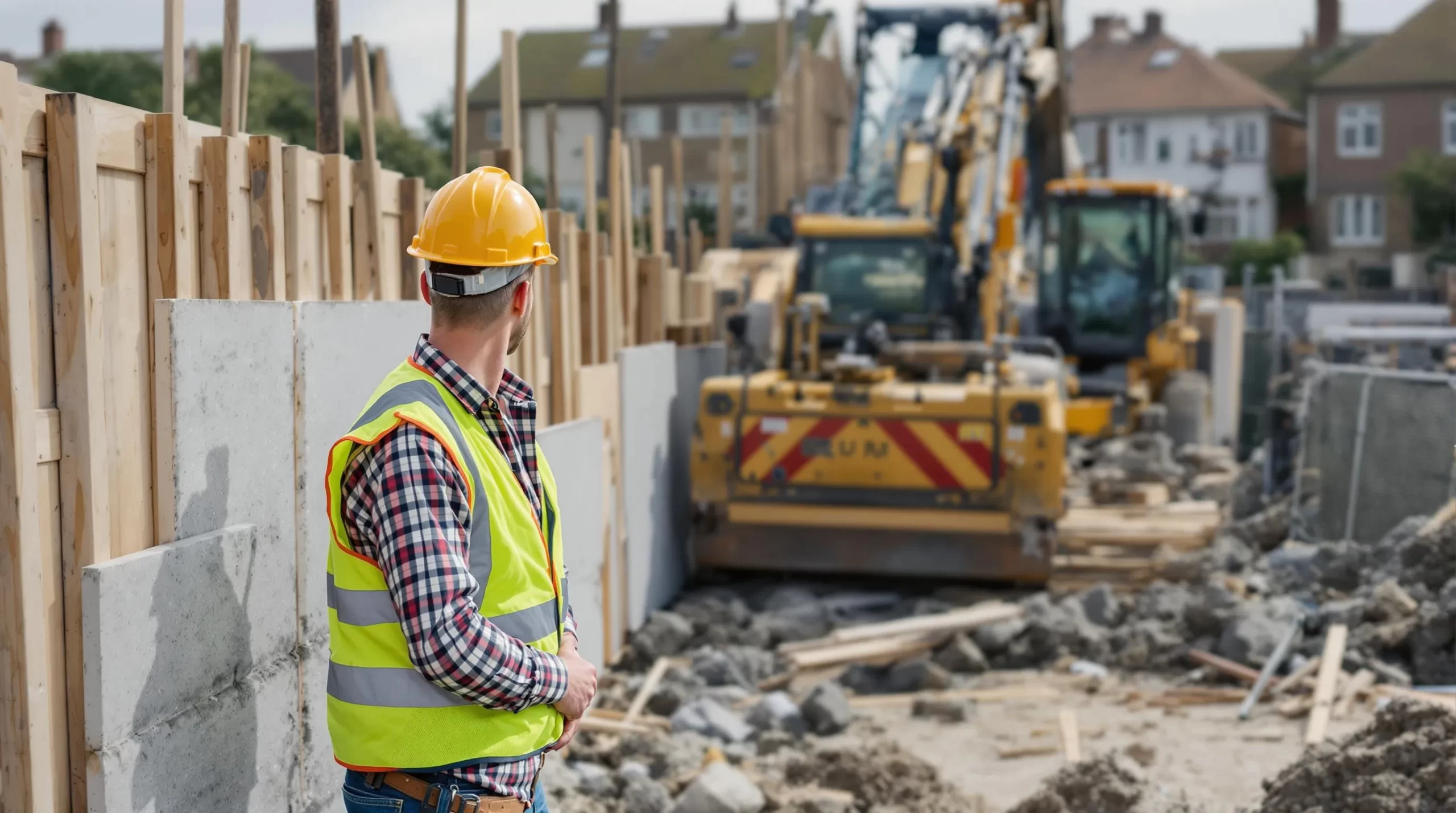
Construction sites are rarely quiet places. Between heavy machinery, drilling, and vehicles moving in and out, noise is a constant part of progress. But in Singapore’s dense urban landscape, even necessary construction work can feel disruptive to nearby residents and businesses. What starts as a single complaint can easily turn into ongoing frustration, and before long, you could be facing stricter inspections, fines, or project delays.
Yet, there’s a growing shift in how developers and contractors handle this challenge. Instead of seeing noise as an unavoidable problem, more teams are treating it as an opportunity to improve relationships with the community. And one of the most effective ways they’re doing this is through construction sound barriers.
Let’s explore how these barriers not only control noise but also transform public perception of construction projects.
From Frustration to Appreciation
Most people understand that construction is necessary for growth. The real issue isn’t the work itself, it’s how the noise is managed. When nearby residents constantly hear pounding or machinery throughout the day, it can easily become a source of stress and irritation.
But imagine the difference when that same project installs well-designed construction sound barriers. Suddenly, the neighbourhood sounds calmer. Dust is reduced. The site looks neater and more contained. Residents notice the effort, and instead of complaining, they often express appreciation for the thoughtfulness and professionalism shown by the builders.
Why Sound Barriers Make All the Difference
A sound barrier works by blocking and absorbing sound waves before they travel beyond the site. These barriers are typically made of durable, noise-reducing materials that significantly lower the decibel levels reaching surrounding areas.
But the benefits go beyond noise control. Modern barriers are:
- Lightweight and modular, making them easy to install and reposition.
- Weather-resistant, ensuring long-lasting performance in Singapore’s humid climate.
- Visually clean and professional, helping sites look more organised and secure.
Many developers also use these barriers to display project branding or safety messages, turning what was once a complaint-triggering wall into a visual asset.
A Practical Solution with Real Returns
Some project managers hesitate to invest in sound barriers, assuming they add unnecessary cost. In reality, they often save money in the long run. Here’s how:
- Fewer interruptions: Noise complaints can trigger NEA inspections or restrictions, causing work stoppages. Barriers help you avoid those setbacks.
- Better community relations: A good relationship with nearby residents reduces tension and improves trust in your company.
- Improved worker conditions: Lower noise levels inside the site help workers stay focused and reduce fatigue.
When projects stay on schedule and the surrounding community stays happy, the return on investment becomes obvious.
A Sign of Modern, Responsible Construction
In the past, noise control was treated as a secondary concern. Today, it’s part of what defines a quality construction company. Clients, developers, and regulators now expect to see proactive noise management measures in place.
Using sound barriers shows that your team respects both compliance standards and community well-being. It sends a strong message that you care about more than just finishing the job, you care about how it’s done.
In Singapore, where space is tight and residential areas are never far from development zones, this approach is essential.
Turning Noise Into a Positive Story
When a construction team invests in sound barriers, they’re not just solving a technical problem. They’re reshaping how the public views their work. A site that once drew complaints became known as one that “does things right.”
Residents start to associate the company with professionalism and care. Local authorities see compliance being handled proactively. Even clients notice the difference, realising that the team behind the project values long-term reputation as much as results.
That shift — from being seen as a disturbance to being recognised for responsible building — is what turns noise control into community praise.
Final Thoughts
In an industry where deadlines, budgets, and regulations often take centre stage, it’s easy to overlook how much noise can impact your project’s success. But with the right construction sound barriers, you can prevent problems before they start.
You’ll keep your site running smoothly, meet NEA requirements, and earn the respect of the very people living and working nearby. After all, a well-managed construction site doesn’t just build structures — it builds goodwill, too.