
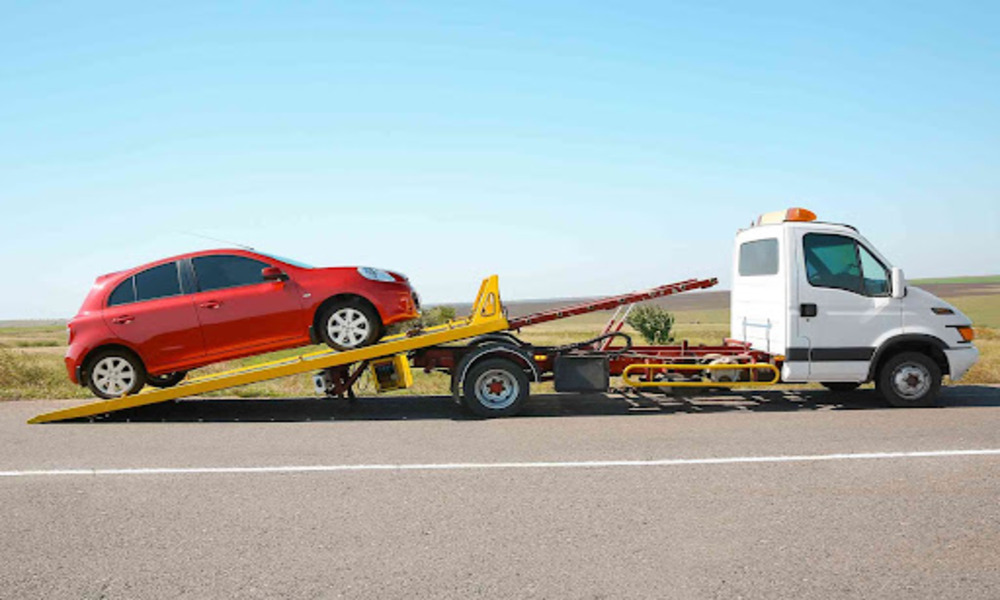
Call volume spikes during periods of heavy traffic, and response times narrow. emergency road service operations during these hours run on a clear set of handling priorities that control how calls are received, sorted, and acted upon. A technician’s decision in those first minutes affects how quickly they can reach the scene and how safely the situation can be resolved. Calls can build up quickly without a sorting process, leaving those at greatest risk waiting longer than they should.
Risk shapes response
Every incoming call gets evaluated on specific criteria before a dispatch decision is made. The caller’s location, road type, lane exposure, time of day, and vehicle condition are all weighed against each other to place the call in the right response tier. A breakdown on an active highway shoulder does not sit in the same queue as one reported in a side street or parking area. Wait time estimates are given to callers based on where their call falls in that priority order, which keeps stranded drivers from making unsafe moves out of frustration or uncertainty. This step takes very little time but carries significant weight in how the entire response unfolds. Key criteria applied during call classification:
- Lane obstruction status and how visible the vehicle is to oncoming traffic
- Road category covering highway, local road, intersection, or off-road
- Reported weather, lighting, and surface conditions at the breakdown location
- Presence of passengers, including children or individuals requiring immediate assistance
Real-time dispatching
Static queue systems break down fast when call volume climbs. During peak hours, dispatch operations require constant adjustment as technician positions, road congestion, and new incoming calls shift the picture. A unit that was closest to a call thirty minutes ago may no longer be the best option once traffic builds in that corridor. Assignments get updated, routes get recalculated, and field teams are kept informed throughout, so no one is working from old information. This kind of active management is what keeps arrival times from drifting even when the volume of calls is at its highest point.
Maintain safety protocols
No level of call pressure changes what is required of a technician working a roadside scene during peak traffic hours. Warning equipment goes out before any assessment or repair begins. A regular check-in program is implemented throughout the project. It becomes difficult to work near the scene when traffic is dense or unpredictable, so the project must be halted. It is explained to callers where to park, whether they should stay inside during the call, and how to make their vehicle more visible to approaching vehicles. These steps can be followed to help reduce the likelihood that a secondary incident will occur during the delivery of help, if these steps are followed.
No matter how busy the operation gets, peak-hour call handling remains based on fixed priorities. Sorting calls by risk, adjusting dispatch in real time, and holding safety procedures firm are what keep each response on track from the moment a call comes in to the moment the scene is cleared.