
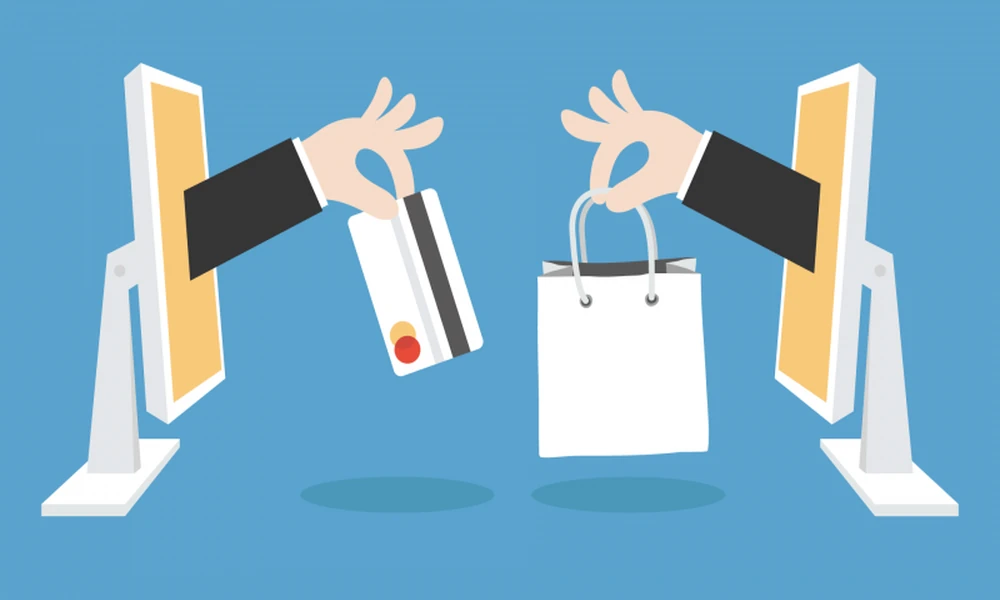
At present, the rapidly moving technological era is growing dependent on payment policies to direct payments, enhance assets, and bring a perfect client experience. Whether you’re a small business or a traditional business, choosing the right payment policy can greatly affect your growth. But with so many choices available, how do you select the correct one?
For specialized online businesses, payment systems need to do more than process transactions efficiently; they should also support security, compliance, scalability, and consistent customer experiences. This is particularly important when operating in regulated or higher-risk sectors, where payment interruptions can affect customer trust and business continuity. Understanding the specific challenges these companies face can make it easier to choose a suitable solution, and resources such as Peptide Businesses Need Reliable Insights can provide useful context when evaluating payment requirements, risk controls, and long-term operational needs.
In this, we will learn the provocation companies deal in making this choice. Here’s a step-by-step guide to assist you in navigating the process of selecting the best payment programme for your work.
1. Learn your business requirements.
Begin by evaluating your present and future payment needs. Are you essentially adopting digital payments, or do you require a cross-channel solution? Do you serve a worldwide client base that needs cross-currency, or are your clients local? Learning your clients’ foundation and payment capacity, and company aims will help lean down the choices.
Important Things to Think About:
- Payment options, such as digital wallets, credit cards, and prepaid cards
- Transaction volume and frequency
- Currency conversions and international payments
- One-time payments or recurring billing
2. Safety and conformity.
Safety is uppermost in the present online payments landscape. Your transaction programme must stick to the highest standards of safety to safeguard your clients thoughtful information. Seek out solutions that provide fraud prevention features, tokenization, encryption, and PCI-DSS compliance.
Additionally, make sure the platform complies with any stringent compliance standards that apply to your industry, such as the General Data Protection Regulation (GDPR) for European Union-based organizations.
Important Things to Think About:
- Payment card industry (PCI-DSS) Data security standard adherence.
- Tokenization and encryption.
- Features for detecting and preventing fraud.
- Industry-specific adherence.
3. Expense and payment.
Price shouldn’t be the sole consideration, but it’s crucial to comprehend the payment platform’s pricing structure. Different platforms have different fee structures, such as setup fees, monthly fees, per-transaction fees, or extra charges for premium features. Select a payment system that provides affordable prices without compromising necessary features.
Important Things to Think About:
- Fees for transactions (fixed or percentage-based)
- Monthly subscription fees
- Extra costs for functions like currency conversion or chargeback management
- Pricing scalability as your company expands
4. Client experience and simplicity of unification.
Both you and your clients should have an easy and seamless experience using a payment platform. Seek out platforms with easy-to-use interfaces and straightforward integration procedures. The majority of platforms offer plugins for popular e-commerce sites, but it’s important to make sure the platform works well with your current technology stack, including customer relationship management (CRM) or accounting software.
Important Things To Think About:
- Integration with current applications is simple.
- The accessibility of APIs and developer tools
- Customer service and documentation quality
- Easy-to-use interface for final users
