
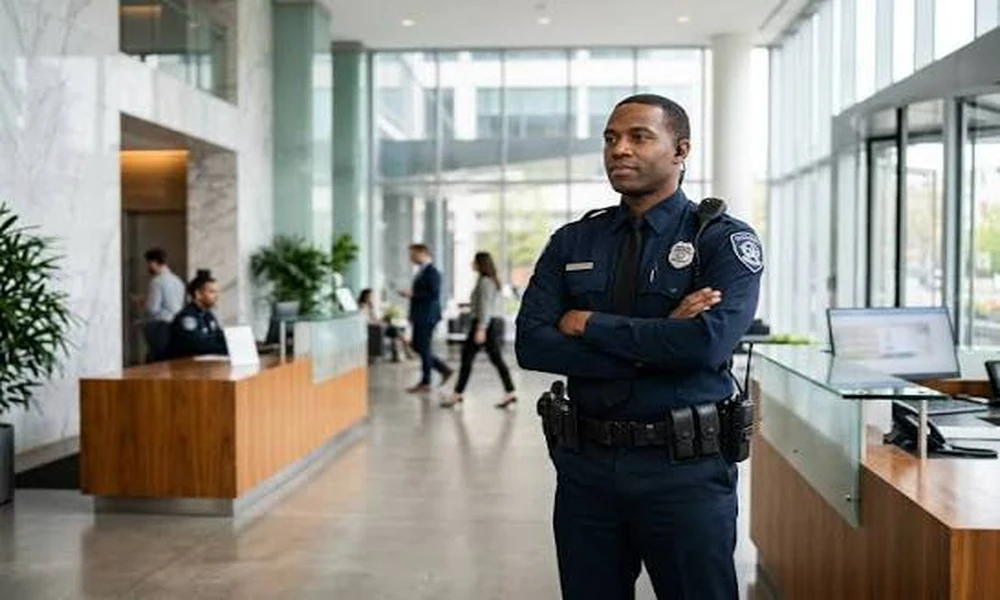
Protective arrangements become important when a property needs stronger oversight during daily activity. Armed security personnel provide a visible presence while maintaining careful attention throughout assigned duties. Their training supports controlled entry while helping staff follow established procedures. Clear responsibilities also help maintain order around sensitive areas during operating periods. Managers can explore suitable arrangements for their property through see website for further details.
How Do Armed Personnel Strengthen Protection?
Trained guards provide a steady presence near areas that require focused attention. Their assigned positions help oversee entrances while supporting organized movement throughout the premises. Careful observation allows personnel to notice unusual activity while following established instructions.
- Trained guards maintain steady attention around important access areas.
- Assigned positions support orderly movement throughout restricted premises.
- Clear instructions help personnel manage entry with greater consistency.
- Reliable communication keeps responsible managers informed during active duties.
- Regular briefings help guards understand changing operational requirements clearly.
What Makes Guarding Suitable for High-Risk Areas?
Certain properties require focused oversight because valuable assets or sensitive activities need additional protection. Armed personnel can maintain dedicated coverage around selected sections throughout scheduled periods.
- Entry checks help confirm approved access before movement begins.
- Patrol routines encourage awareness across larger protected property sections.
- Visitor monitoring supports organized movement through controlled entry points.
- Shift planning keeps assigned duties consistent throughout operating hours.
- Reporting procedures help managers review routine observations more efficiently.
How Can Protective Duties Support Daily Operations?
Protective duties can fit naturally within established workplace routines when responsibilities are clearly defined. Personnel can coordinate with managers before beginning assigned coverage. This helps clarify access expectations while identifying areas requiring closer attention. Regular updates allow adjustments when schedules change or operational priorities develop. For additional details about available protective arrangements, see website for further information on suitable coverage options.
Training Builds Consistent Guard Readiness
Professional preparation helps personnel understand their responsibilities before entering an assigned post. Instruction can strengthen observation skills while developing responsible communication habits during active duties. Practice sessions can prepare guards for access control requirements while supporting composed responses during changing circumstances.
Organizing Effective Protective Coverage
Strong planning begins with identifying areas that require dedicated attention. Managers can establish posts according to property layout and operating schedules. Communication contacts should remain clear so personnel know whom to reach during serious situations. Routine reporting can help supervisors review activity while identifying adjustments that may improve coverage.
A planned approach allows security duties to remain organized throughout changing work periods. Personnel can focus on assigned responsibilities without unnecessary confusion. Managers can review post requirements as property needs develop. Suitable positioning can also support stronger oversight around sensitive sections. Clear scheduling helps maintain dependable coverage throughout active hours.
A well-planned protective arrangement brings together trained personnel with defined responsibilities. Security teams can support controlled access while maintaining steady awareness around important areas. Managers can strengthen daily oversight by setting clear expectations before duties begin. Regular communication supports coordination while routine reviews help refine assignments. This approach creates dependable protection for properties requiring focused attention during active operations.