
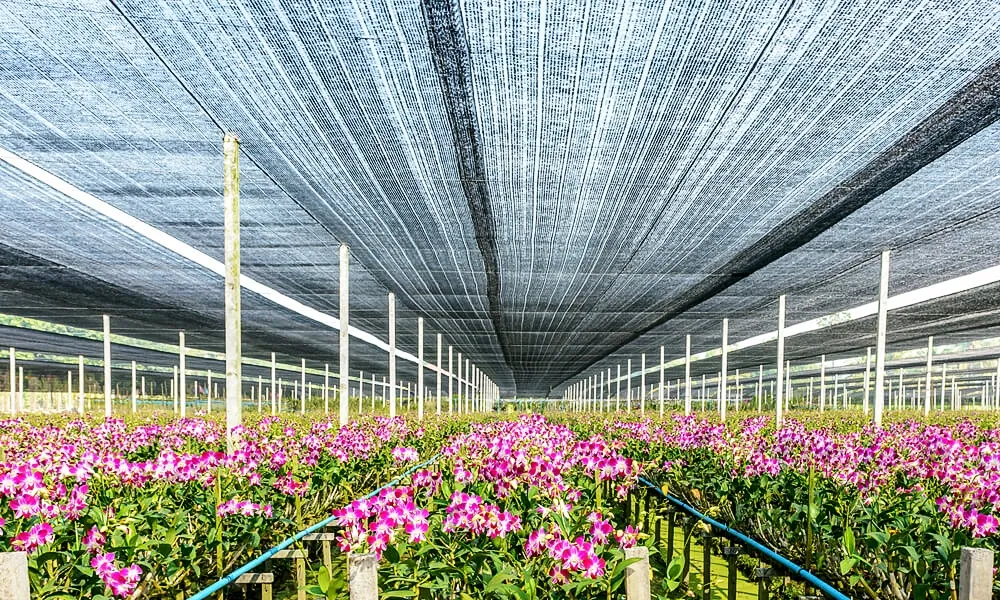
We know that if the quality of the flower is low, the quality of the crop also goes down. Physiological factors that have a positive effect on the fruit setting are the production of sufficient pollen and the speed of pollen tube growth.
Dry winds and harsh temperatures negatively affect the fruit setting. For a good overall yield, a flower net is a simple yet powerful solution for flower growers of all scales.
Why Flower Nets Matter
Flower nets are a protective layer against extreme weather, pests, strong and/or uneven winds. This shield keeps the flowers from bending and further harm.
This upright growth not only improves appearance but also enhances the chances of proper pollination, which plays a key role in boosting yield.
The uniform spacing encourages symmetrical flower heads, which is an important factor when flowers are sold commercially.
The Role of a Flower Protection Net
A flower protection net keeps the stems safe from snapping in the early stages. These are lightweight nets and are a breeze to set up.
Once set up, the nets hold the plant gently but firmly, giving it enough room to breathe and grow.
The gentle support lowers the physical stress on the plant. This leads to larger blooms with vibrant colours. Healthy flowers mean better crop rates and increased profitability for farmers. In areas prone to strong winds or intense sunlight, this added layer of protection often makes the difference between a good harvest and a failed one.
These nets also reduce the need for chemical plant growth regulators, as the structural assistance helps plants maintain their natural form and posture throughout the season.
Better Spacing, Better Results
Flower netting helps maintain an organized structure within the growing bed. Each plant gets equal space, light, and air circulation.
When every flower has a defined space to grow, overcrowding is avoided. This not only reduces disease transmission but also helps flowers to reach their full potential.
More space means more sunlight reaching each part of the plant. The result? Stronger stems, healthier leaves, and more robust flowers. These improvements are easy to miss early on, but over time, the difference in health and appearance becomes quite visible.
Consistent flower size and shape also make sorting and packing easier, helping sellers present more uniform bunches to the market—something buyers often look for.
Benefits Beyond Protection
Using agricultural netting doesn’t just keep your flowers safe—it also reduces manual labour. Traditionally, farmers would tie individual flower stems to stakes or wires.
With a netting system, this process is simplified. The net guides the plant naturally, cutting down the time spent on plant maintenance.
Moreover, nets help reduce flower spoilage due to contact with soil. Since the stems grow vertically through the net, there’s less chance of mud splash, pest attacks from the ground, or fungal infections. This reduces post-harvest rejection and boosts overall market value.
In some regions, netting also discourages small animals and birds from disturbing flower beds, offering a bonus in outdoor cultivation environments.
Choosing the Right Net
All nets are not created equal. Depending on the flower type, planting pattern, and climate, the right mesh size and thickness must be selected. That’s why it’s important to get your nets from a trusted net manufacturer who understands what your crop needs.
A good manufacturer will offer durable, weather-resistant materials that last through multiple seasons. They’ll also help you choose the correct specifications for your flower type—whether you’re growing marigolds, roses, gerberas, or chrysanthemums.
Some manufacturers even provide customized solutions based on field conditions, helping farmers get better outcomes season after season.
The Long-Term Impact
When nets are used consistently across seasons, you’ll notice long-term improvements in soil health and flower uniformity. Since the nets promote straight, upward growth, harvesting also becomes quicker and less damaging.
Over time, these small gains lead to bigger outcomes—lower labour costs, reduced crop loss, and increased buyer confidence. Whether you’re growing flowers commercially or on a smaller scale, these benefits are hard to ignore.
Plus, by improving efficiency, nets also support sustainable practices. Less waste, less damage, and fewer inputs mean a lighter environmental footprint for your flower farm.
Conclusion
Flower netting is no longer just a technique for big farms. Even home gardeners and small-scale cultivators are seeing the advantages. With climate patterns becoming more unpredictable, these nets offer a smart, affordable way to protect your plants and enhance quality.
The end goal is simple: healthier flowers, better structure, and higher yield. And with the right approach and quality netting in place, it’s a goal well within reach.