

In the quiet hum of an electric car, the crystal-clear audio of high-fidelity headphones, and the silent spin of a wind turbine, a hidden force is at work. It isn’t magic, though it often feels like it. It is the work of rare earth magnets, the unassuming but extraordinary materials that have quietly revolutionized 21st-century technology.
While most people are familiar with the common ferrite magnets that hold a child’s drawing to a refrigerator, rare earth magnets exist in an entirely different league. They are the most powerful permanent magnets ever created, capable of generating magnetic fields so intense that they defy their diminutive size. To understand our modern existence—from the smartphones in our pockets to the green energy grids of our future—one must understand these “invisible titans.”
The Alchemy of Magnetism
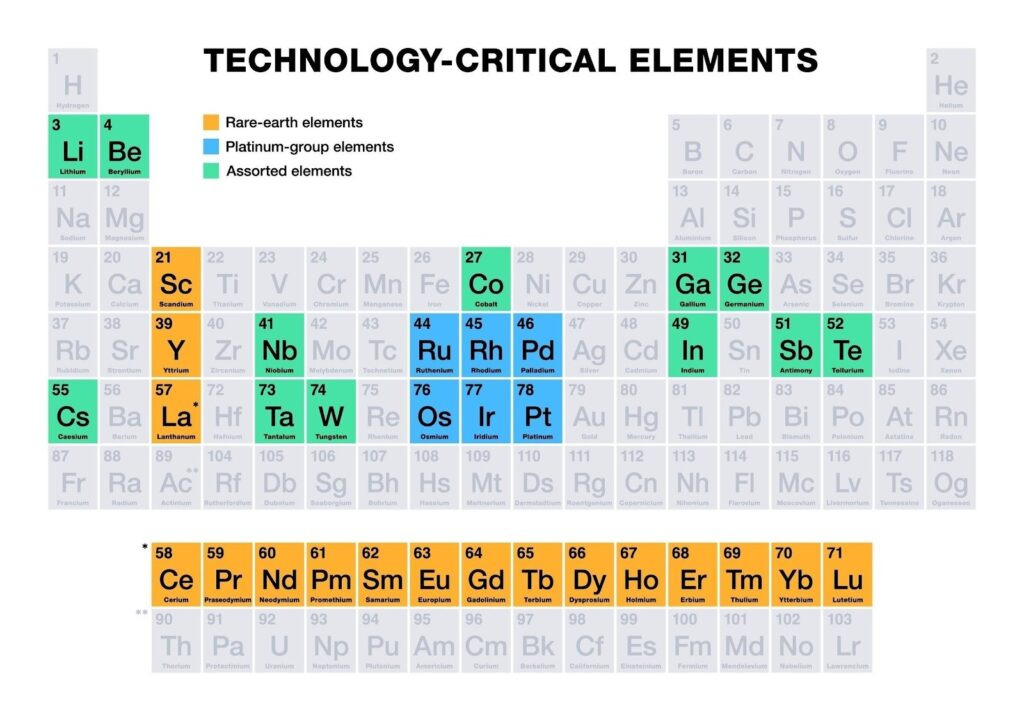
The term “rare earth” is a bit of a misnomer. These elements, such as neodymium, samarium, and dysprosium, are actually relatively abundant in the Earth’s crust. However, they are rarely found in concentrated, mineable pockets, and the chemical processes required to isolate them are notoriously complex.
Shutterstock
The journey of the modern rare earth magnet began in the 1960s with the development of Samarium-Cobalt magnets. These were a massive leap forward, offering high magnetic strength and remarkable resistance to heat. But the real “Big Bang” of magnetism occurred in the early 1980s when researchers at General Motors and Sumitomo Special Metals independently discovered the Neodymium-Iron-Boron ($NdFeB$) magnet.
Often simply called “Neo” magnets, these are the strongest type of permanent magnet commercially available. A neodymium magnet roughly the size of a postage stamp is strong enough to lift over 20 pounds of steel. If you were to take two large neodymium magnets and allow them to snap together from a distance, the force would be so great it could shatter the magnets upon impact—or crush a human finger in a split second.
The Heart of the Green Revolution
The single most consequential application of rare earth magnets today is in the pursuit of a sustainable planet. As the world pivots away from fossil fuels, efficiency has become the ultimate currency.
In the automotive sector, rare earth magnets are the literal hearts of electric vehicles (EVs). Traditional motors are often bulky and heavy, but permanent magnet motors utilizing neodymium allow for designs that are significantly smaller, lighter, and more energy-efficient. This weight reduction directly translates to longer ranges for drivers and fewer stops at charging stations.
The story is similar in the middle of the ocean. Modern offshore wind turbines are gargantuan structures, and many now utilize “direct-drive” generators. By using tons of neodymium magnets, engineers can eliminate the need for heavy, maintenance-prone gearboxes. These magnetic generators can start spinning in lower wind speeds and operate with higher reliability in the harsh, salty air, maximizing the clean energy we can harvest from the breeze.
Miniaturization: Magic in Your Pocket
If you are reading this on a mobile device, you are holding a masterclass in magnetic engineering. The “haptic” vibration that signals a text, the micro-speakers that produce rich sound, and even the autofocus mechanism in your camera lens all rely on tiny, precision-engineered rare earth magnets.
Before the advent of these materials, a speaker with the sound quality of a modern smartphone would have been the size of a brick. The incredible magnetic flux density of neodymium allows for a smaller voice coil and a more responsive diaphragm. In the medical field, these magnets are used in everything from hearing aids to MRI machines, where powerful static magnetic fields allow doctors to peer inside the human body with stunning clarity without the use of invasive surgery or ionizing radiation.
Industry, Defense, and the Global Balance
Beyond consumer gadgets, these magnets are essential workhorses for industry and national security. In manufacturing, magnetic separators strip metallic contaminants from food and chemicals, ensuring safety for millions. In the oil and gas sector, Samarium-Cobalt magnets, which can withstand temperatures up to 350°C (662°F), are used in downhole sensors and drilling equipment that would melt or demagnetize other materials.
In defense, the stakes are even higher. Precision-guided missiles, radar systems, and the advanced propulsion systems of stealth aircraft all depend on the unique stability and power of rare earth magnets. Because a large percentage of the world’s rare earth supply is concentrated in a few geographic regions, these magnets have become a focal point of global geopolitics and supply chain security.
The Comparison: Rare Earth vs. Traditional Magnets
To appreciate the “superpower” status of rare earth magnets, it helps to compare them to the standard ceramic (ferrite) magnets found in most household items.
| Feature | Rare Earth Magnets (NdFeB / SmCo) | Traditional Ferrite (Ceramic) |
| Magnetic Strength | Extremely High (The strongest available) | Moderate to Low |
| Size-to-Power Ratio | Tiny magnets provide massive pull | Requires large size for decent strength |
| Durability | Brittle; prone to corrosion (needs coating) | Very durable; rust-resistant |
| Temperature Stability | SmCo is excellent; NdFeB is sensitive | Excellent stability |
| Typical Cost | High (due to scarcity and processing) | Very Low and economical |
The Responsibility of Power: Sustainability and Recycling
The “green” benefit of rare earth magnets comes with a complicated environmental footnote. The mining and refining of rare earth elements are energy-intensive processes that can produce toxic and even radioactive byproducts if not managed with extreme care.
This has led to a burgeoning field of research: the “Circular Magnet” economy. In 2025, the focus has shifted from just mining more to recovering what we already have. Scientists are developing “short-loop” recycling processes—such as hydrogen decrepitation—which allows old magnets from discarded electronics to be broken down and reformed into new ones with minimal loss of strength. Recycling these materials uses up to 80% less energy than mining new ones, making the “green” revolution truly sustainable from start to finish.
Conclusion
The rare earth magnet is a testament to human ingenuity. It is a reminder that some of the most profound changes in our history aren’t caused by the loudest machines or the biggest explosions, but by the quiet, invisible forces of nature harnessed within a small piece of alloy.
From the silent rotation of a wind turbine to the precision of a surgeon’s tool, these magnets are the hidden architects of our modern reality. They allow us to do more with less, less weight, less space, and less energy. As we look toward a future defined by clean transport and digital precision, the rare earth magnets will continue to be the silent powerhouses pulling us forward.