
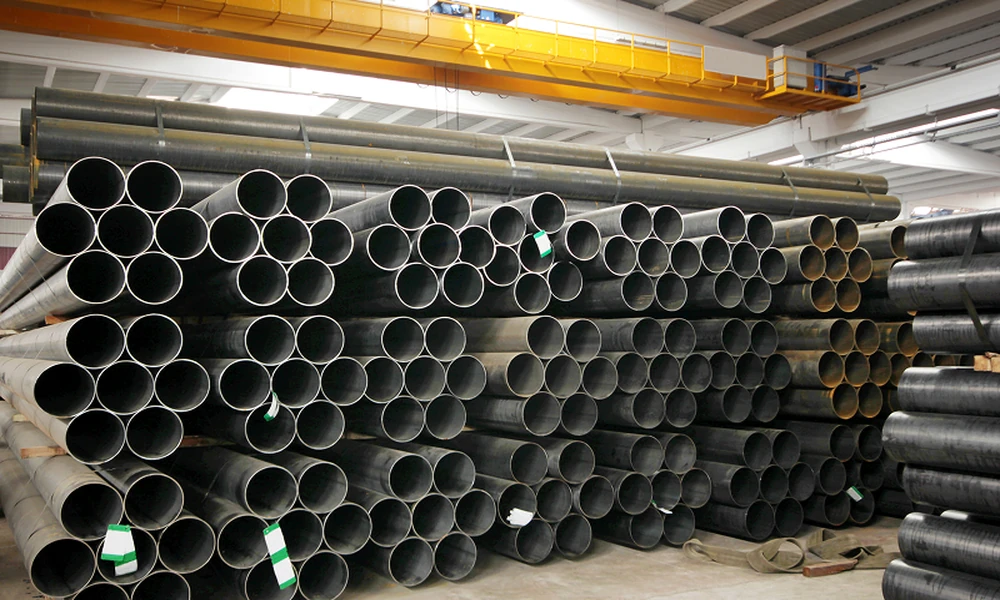
- Verifying a supplier’s compliance with international and local standards ensures the safety of your piping system.
- Asking about the range of materials available helps you source everything from a single point.
- Understanding lead times and delivery schedules prevents costly delays in your construction timeline.
- Enquiring about after-sales support and return policies provides an extra layer of security for your investment.
Introduction
Whether you are working on a high-rise development or a simple home renovation, the pipes are the “veins” of your building. They carry water, gas, and waste, and if they fail, the consequences can be disastrous and incredibly expensive. That is why choosing the right pipe supplier in Singapore is one of the most important decisions a project manager can make. It is not just about finding the lowest price per metre; it is about finding a partner who can provide quality assurance, technical expertise, and reliable logistics. Before you sign a contract or place a large order, you need to dig a little deeper. You wouldn’t hire a contractor without checking their references, so why should your material supplier be any different? By asking a few pointed questions, you can separate the truly professional construction material suppliers from those who might let you down.
Do Your Products Meet International and Local Standards?
This is the “non-negotiable” question. In Singapore, piping systems must adhere to strict regulations set by the PUB and other governing bodies. You need to ask if their pipes meet standards such as BS (British Standards), ASTM, or SS (Singapore Standards). A reputable pipe supplier should be able to provide mill certificates and test reports for their products. This documentation proves that the pipes can handle the pressure, temperature, and chemical exposure they will face in your project.
Using sub-standard pipes is a recipe for disaster. They might look identical to the high-quality versions, but they could have thinner walls or inferior material compositions. This leads to leaks, bursts, and premature corrosion. Honestly, saving a few dollars on uncertified pipes is never worth the risk of a major flood or a failed inspection. Ensure your supplier is transparent about their sourcing and that they only work with manufacturers who have a proven track record of excellence. Your peace of mind is worth the extra check.
What Range of Materials and Sizes Do You Stock?
It is a massive headache to have to source your PVC pipes from one place and your galvanised steel from another. When evaluating construction material suppliers, ask about the breadth of their inventory. A good supplier should offer a comprehensive range of materials-including PVC, HDPE, ductile iron, and stainless steel-along with all the necessary valves and fittings. This “one-stop-shop” approach makes your procurement process much more efficient and reduces the risk of incompatible parts arriving on site.
You should also ask about their stock of non-standard sizes. Projects often require a specific diameter or wall thickness that isn’t always available “off the shelf.” An experienced pipe supplier in Singapore will either have these in stock or have the industry connections to source them quickly. This flexibility is vital when you are dealing with complex engineering requirements. Knowing that your supplier has the depth of inventory to handle your entire bill of materials gives you a huge advantage in project planning and execution.
What Are Your Delivery Timelines and Logistics Capabilities?
In construction, time is money. A delay of just a few days can throw off your entire schedule and lead to penalties. Ask potential suppliers about their typical lead times and how they handle urgent orders. Do they have their own fleet of trucks, or do they rely on third-party couriers? A supplier with their own logistics team, like Chi Han Trading, usually has much better control over their delivery windows and can often accommodate last-minute changes.
It is also worth asking about their delivery zones. Can they deliver to tight sites in the CBD? For large projects, you might need “staged” deliveries where materials arrive in batches as you need them. This saves on-site storage space and protects the materials from damage. A supplier who is willing to work with your schedule and logistics constraints is a partner who truly understands the realities of the construction industry. Reliability in delivery is just as important as the quality of the pipe itself.
What Kind of Technical Support and After-Sales Service Do You Offer?
Finally, ask what happens after the pipes are delivered. If you encounter a problem on site, will they send a representative to help you troubleshoot? Do they offer guidance on the best joining methods or material selection? A top-tier pipe supplier doesn’t just drop off the goods and disappear. They should be available to answer technical questions and provide support if a product doesn’t meet your expectations during the installation phase.
Ask about their return and exchange policies. If you end up with surplus materials or if a specific fitting doesn’t fit, can you return it? A fair and transparent return policy is a sign of a supplier who stands behind their products. Building a relationship with a supplier who offers this level of service turns a simple vendor into a valuable advisor. At the end of the day, you want to work with someone who is as invested in the success of your project as you are.
Conclusion
Choosing a pipe supplier is a critical step that requires careful due diligence. By asking about standards, inventory, logistics, and support, you protect your project from unnecessary risks. A good supplier is more than just a source of materials; they are a partner in your construction journey. Don’t be afraid to ask the tough questions-the safety and longevity of your building depend on it. With the right supplier, you can ensure that your project’s “veins” are strong and reliable for decades to come. Get in touch with Chi Han Trading today to see our full range of piping solutions.
